What is “Wilderness”?
"Love of the wilderness is more than a hunger for what is always beyond reach; it is also an expression of loyalty to the earth which bore us and sustains us, the only home we shall ever know, the only paradise we ever need - if only we had eyes to see"
- Edward Abbey, Desert Solitaire
Ask someone what the term “Wilderness” means to them and the definitions will be infinitely variable. Some may define wilderness as a space for recreation and adventure, or as an area to find silence in our increasingly loud everyday lives. Sadly, some individuals define wilderness as a vast honeypot, teeming with an abundance of natural resources that once extracted will yield a profit to (only) the privileged few. What is “Wilderness” to me? It’s where I find solitude, inspiration, and space for reflection that allow me to grow both as a person and an artist. It is in wilderness that I have experienced both great joy and sadness, and it’s what I seek when I need time to reflect on the many circumstances of one’s life.
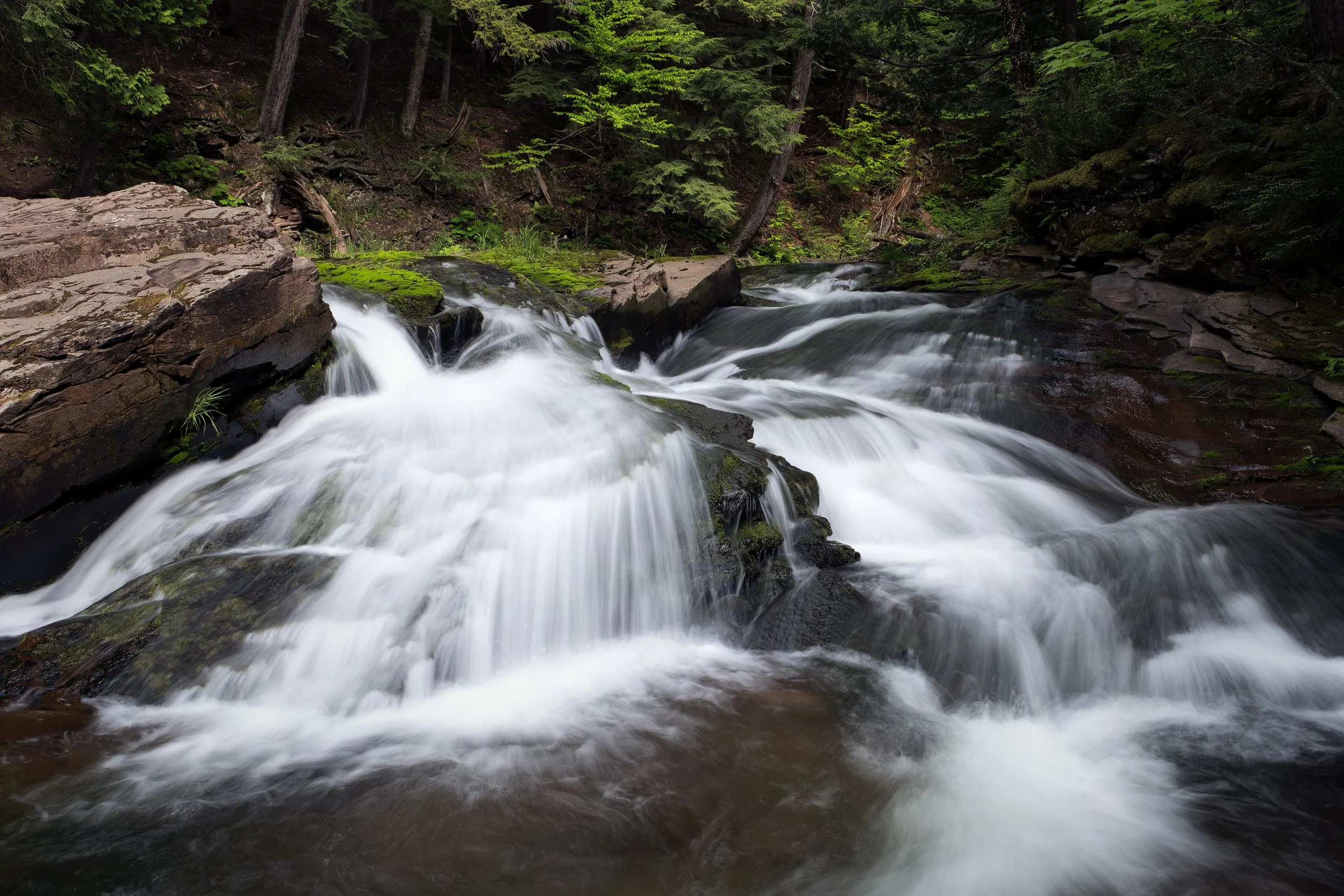
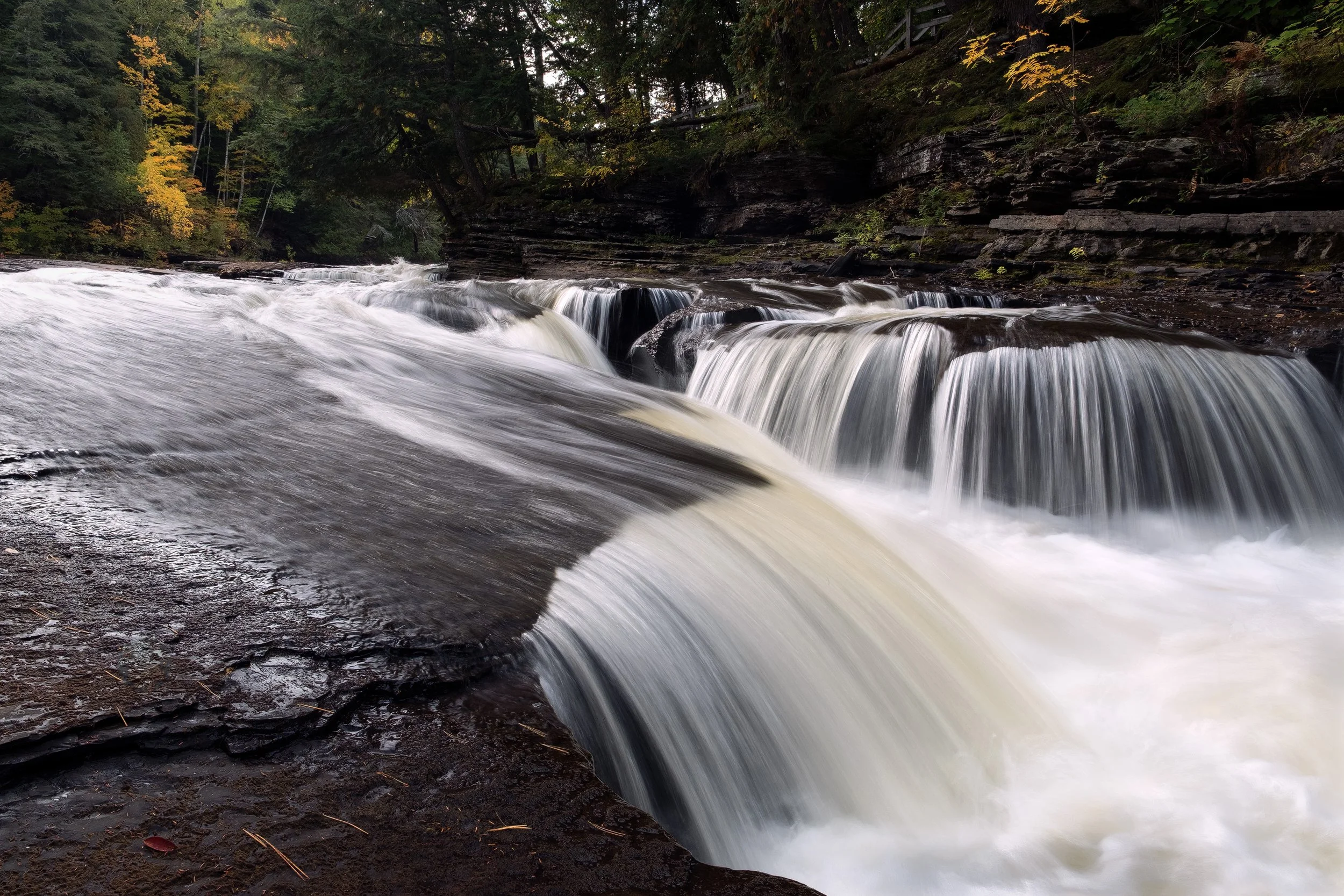
In the summer of 2024, my life took an abrupt turn. Within the space of a month, I found myself going through both a heart-breaking divorce and navigating the process of trying to find a new teaching position. During that summer, I sought clarity by taking multiple extended trips into the wilderness. On these trips, there where moments of grief as I contemplated life post-divorce, continually finding myself feeling very alone, thinking about how I was going to move forward both personally and professionally. Photography was a main focus on these trips but oftentimes, I found myself transfixed once immersed in the wilderness. The sounds of a cascading river, the roar of rushing waterfalls, and the softness of wind blowing through old-growth hemlock trees enamored all of my senses, helping to drown out the negative thoughts and feelings of loneliness that I was experiencing prior. Wild landscapes helped to show me that while life can be difficult and uncertain at times, you (much like the wilderness) will adapt and overcome any hardships thrown your way.
“The clearest way into the Universe is through a forest Wilderness”
- John Muir
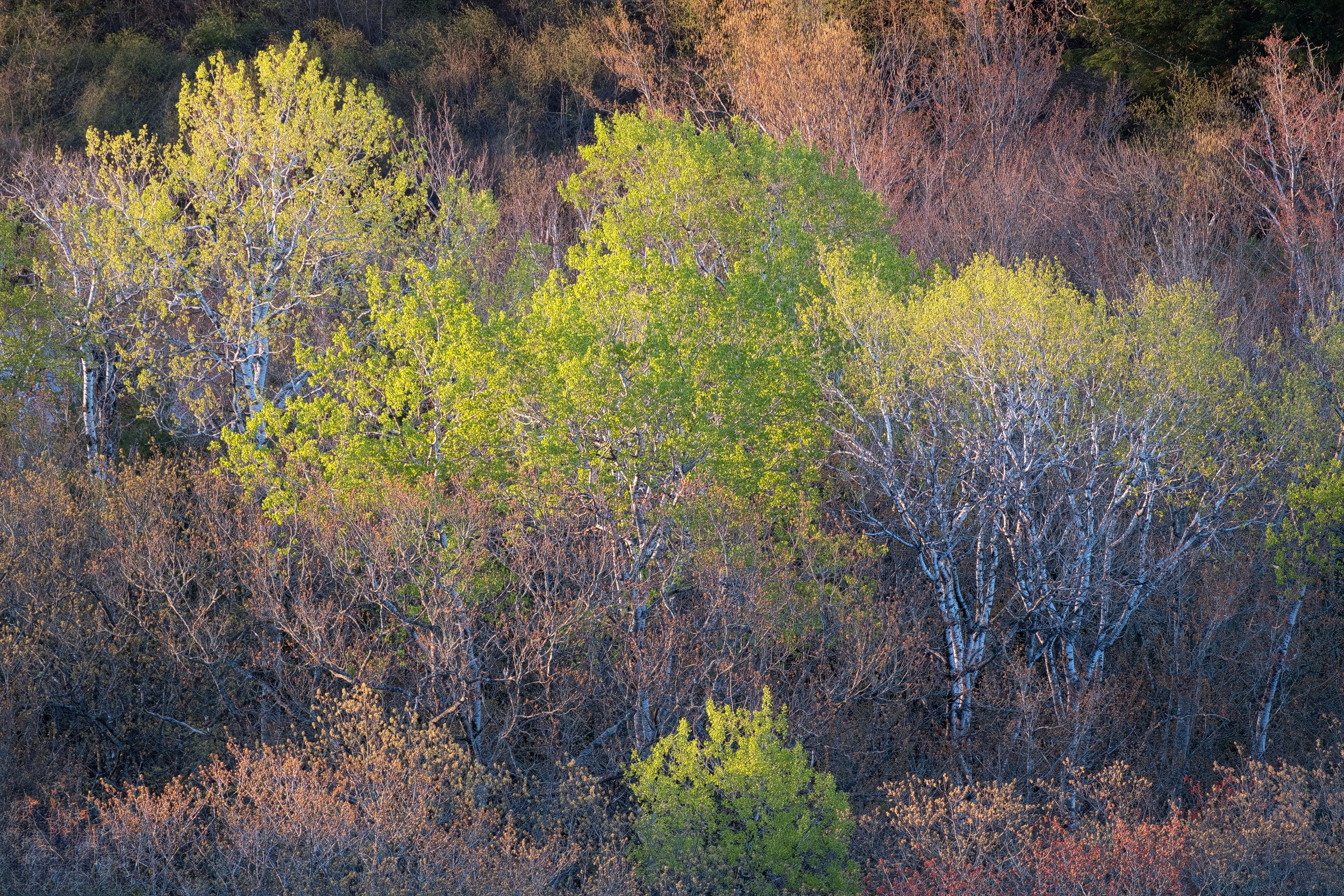
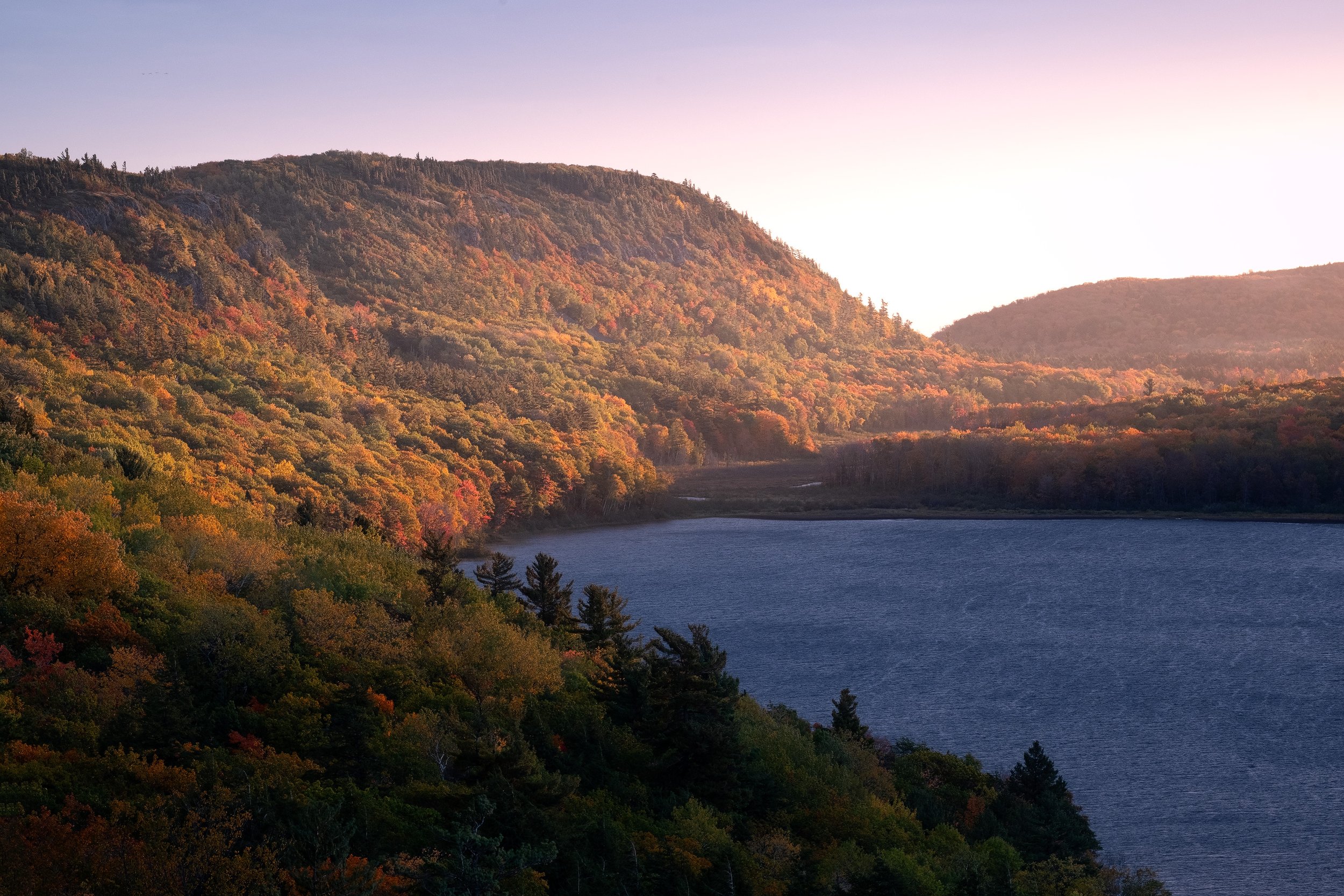
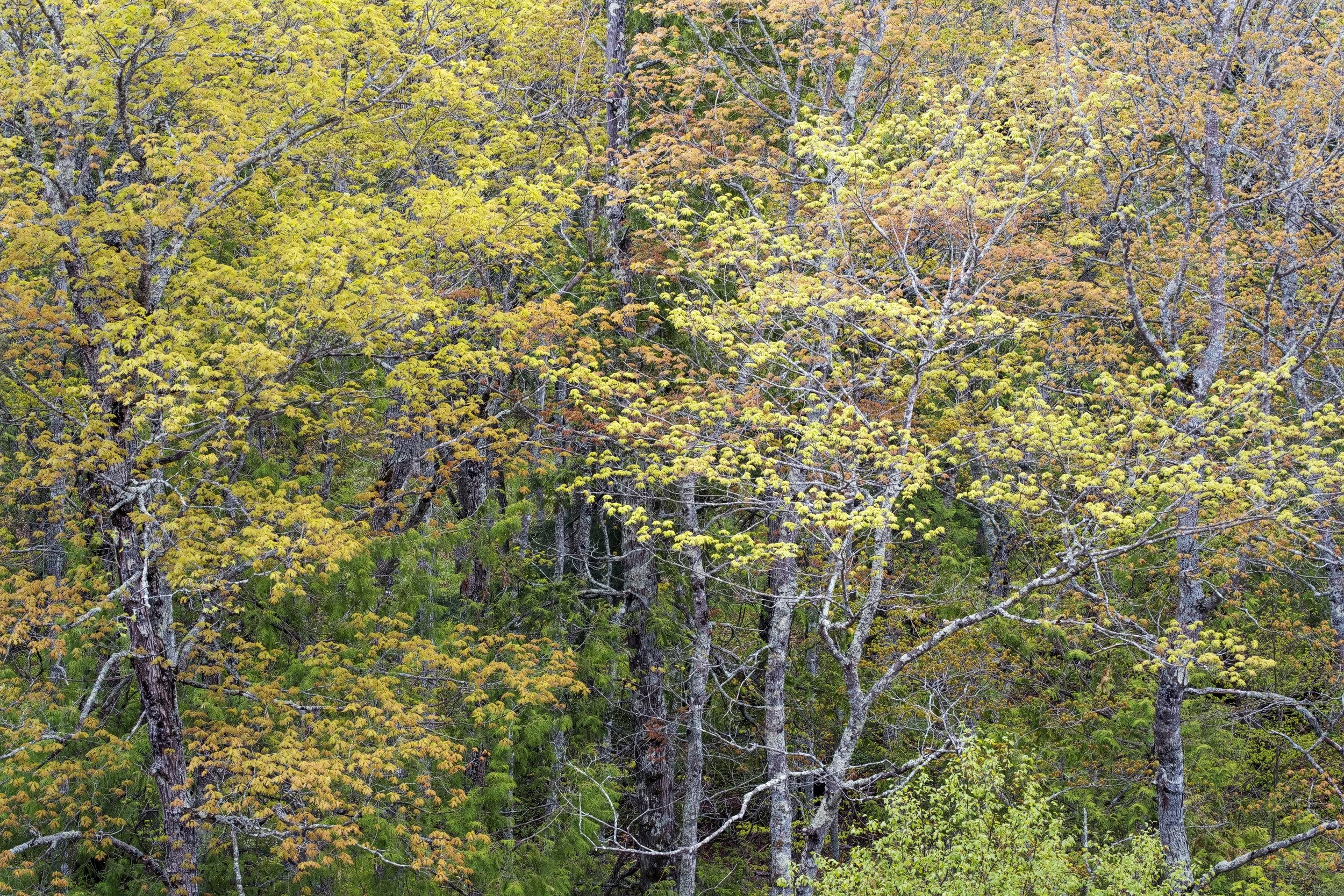
Since first visiting in the fall of 2020, one wilderness area has spoken to me above the others. Porcupine Mountains Wilderness State Park (commonly referred to as the “Porkies”) is Michigan’s largest state park. Much of this park is also designated wilderness, and is home to the largest tract of old-growth forest in the Midwest. The Porkies are also home to towering escarpment cliffs, cascading wild-rivers, and raging waterfalls of all sizes. A wilderness that is now very familiar to me, it’s a place that feels like home. When my life became difficult, the Porcupine Mountains served as a wild landscape where I could immerse myself in nature and for a moment, forget about the problems of everyday life. I attribute the Porcupine Mountains to helping me fall in love with wild places, and am looking forward to exploring this special place more in the coming years.
“Wilderness is not a luxury but a necessity of the human spirit, and as vital to our lives as water and good bread. A civilization which destroys what little remains of the wild, the spare, the original, is cutting itself off from its origins and betraying the principle of civilization itself.”
- Edward Abbey, Desert Solitaire
Despite their unrivaled beauty, the Porcupine Mountains are currently under threat. A Canadian company has been actively trying to build the Copperwood Mine that would endanger areas of the park, including the Presque Isle scenic corridor, which is adjacent to Lake Superior. While the proposal and funding for the Copperwood Mine has been voted down numerous times in Michigan’s state legislature, there is no doubt that there will be more attempts to get the mine developed, needlessly putting the Porcupine Mountains Wilderness State Park in harms way. To find out more and learn how you can help fight against the Copperwood Mine, visit Protect the Prokies at the link below:
So, what is Wilderness? Wilderness is a representation of what our planet once was and a place where “man himself is a visitor and does not remain”. To me, wilderness is a place where I have healed the once broken parts of me, where I go to seek solace, and an essential part of what makes me who I am. As I continue my journeys to the untamed places of the Great Lakes region, I take with me the knowledge that these areas are special and deserve our upmost conservation efforts to keep them wild.
“A wilderness, in contrast with those areas where man and his works dominate the landscape, is hereby recognized as an area where the earth and its community of life are untrammeled by man, where man himself is a visitor who does not remain.”
- From the Definition of Wilderness, The Wilderness Act, 1964
Thanks for reading,
- Josh